Neon Requiem
Master’s Design Thesis Project
Neon Requiem was developed as my Master’s final project in Game Design, for which it received a Distinction (89/100). The project focused on exploring how educational musical concepts could be reinterpreted as engaging gameplay mechanics.
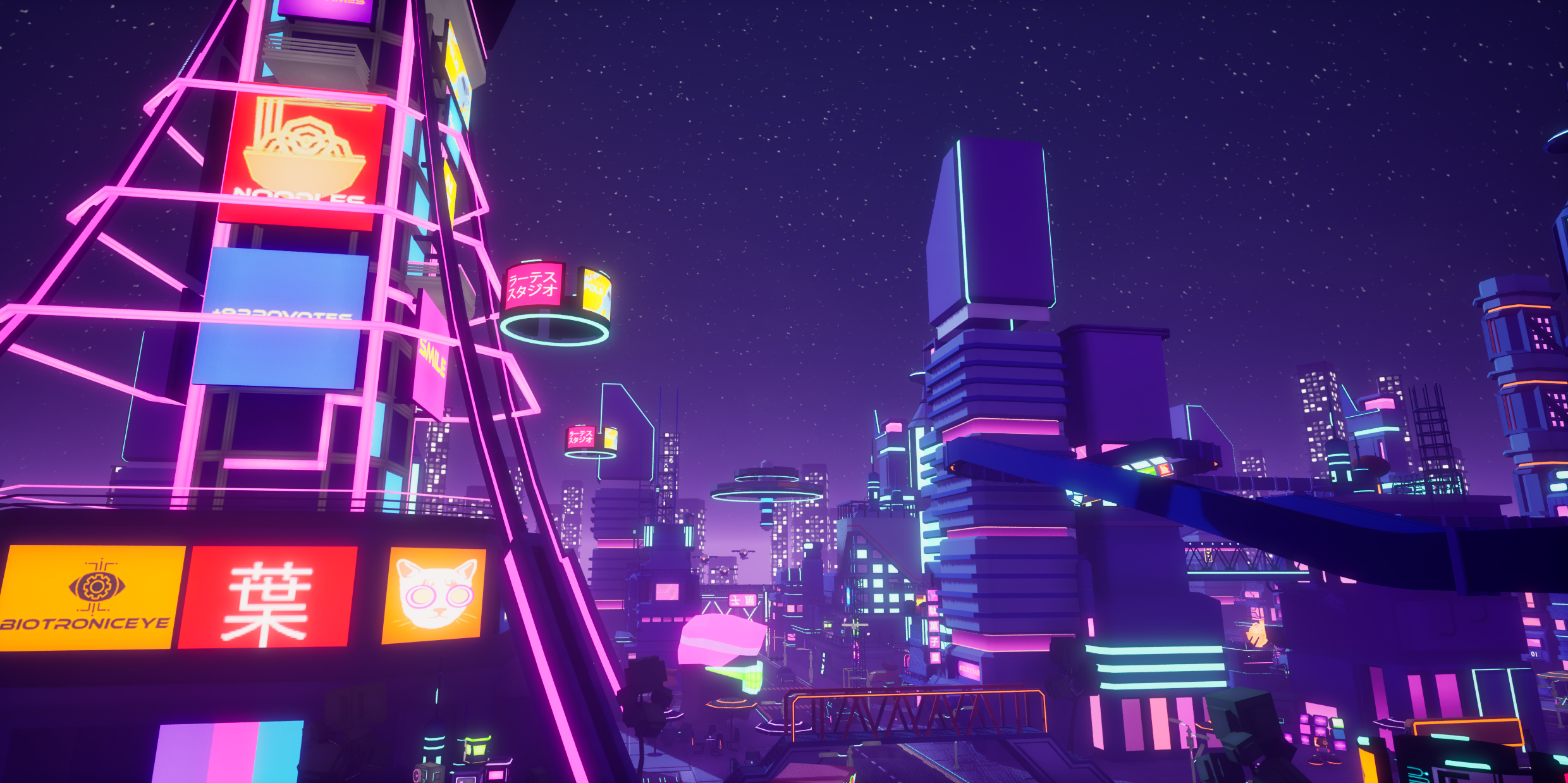
Project Overview
Neon Requiem is a musical narrative-driven RPG designed around the use of a MIDI keyboard as a primary gameplay controller. The intention of the game is to provide players with an engaging RPG experience which helps them to develop various musical skills and nurture their general musicality, while still feeling more like they are playing a narrative-driven RPG than engaging in a formal music lesson.
Most music-learning games treat music as a rhythm-matching mechanic, where players repeat predetermined patterns. This approach rarely captures the broader musical skills used by real musicians.
The design challenge for Neon Requiem was therefore:
How can a musical instrument function as a complete gameplay controller?
How can real musical skills be translated into interactive gameplay systems?
How can an educational experience feel like a narrative RPG rather than a lesson?
The project explores these questions through a combination of musical input systems, RPG progression mechanics, and narrative-driven gameplay.
This project implements three main features designed to increase the feel of gamification:
Narrative – A strong focus on narrative will help engage players in their role in the story rather than just their real-world keyboard playing.
Varied Keyboard Use - The keyboard will be used in other aspects of gameplay than just the music-theory and rhythm based mini games found in combat encounters, but also in normal traversal and movement, helping the keyboard to feel like a controller as well as an instrument, and making the player’s use of the keyboard feel more natural and familiar.
Visual Effects and in-game keyboard UI – The use of visual effects and an on-screen keyboard which shows the notes being pressed in real life with visual effects responding to inputs will help the keyboard to feel more like an in-game item with tangible effects on the game.
The prototype was developed in Unreal Engine using a combination of original design work and third-party asset packs for environment art and modular character models. These assets were used to rapidly prototype gameplay systems and focus development time on the design and implementation of the game’s musical interaction systems.
Full asset credits can be found in the project’s design documentation.
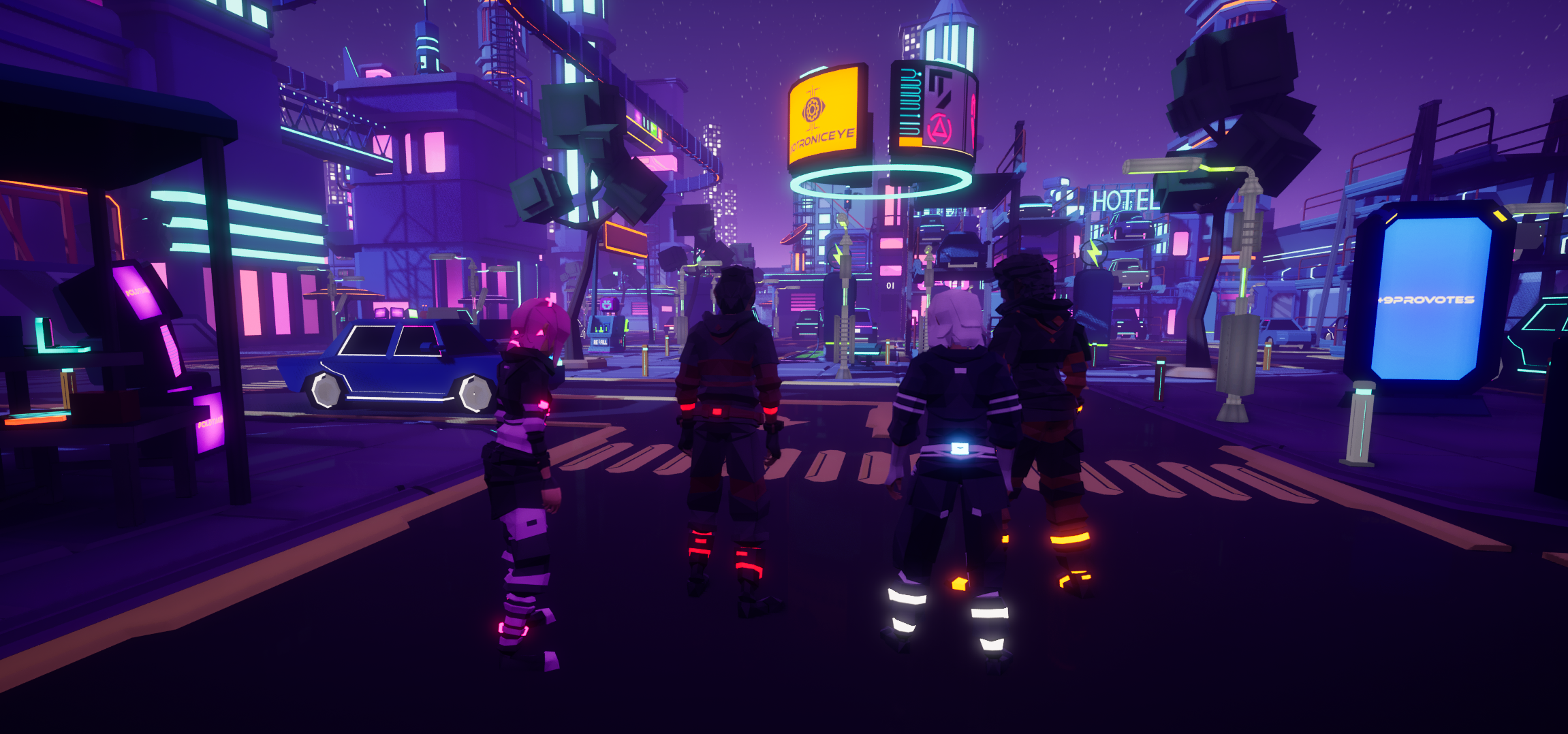
Key Design Features
MIDI Keyboard as a Multi-Modal Input System
A central design challenge of Neon Requiem was translating a musical instrument into a full gameplay controller. Rather than using the MIDI keyboard solely for musical minigames, the design treats it as the primary input device for the entire game.
Traversal controls are mapped to adjacent keys (F, F#, G, A) on the keyboard in a layout designed to mimic familiar WASD movement patterns, allowing players to navigate the world using musical input while maintaining an intuitive control scheme.
An on-screen keyboard interface mirrors the player’s real-time input, visually highlighting pressed keys and reinforcing the connection between the player’s physical instrument and the game world. This approach allows the keyboard to function simultaneously as an instrument, a controller, and a narrative tool.
Skill-Based Combat Built Around Musical Mechanics
Combat encounters combine turn-based RPG structure with real-time musical execution. Instead of abilities resolving automatically, each action requires the player to complete a musical challenge using their MIDI keyboard.
Each ability corresponds to a specific musical skill or training exercise:
Sight Reading
Players read notes from a scrolling stave and perform them on the keyboard. Early encounters assess pitch only, while later encounters introduce rhythm, accidentals, and more complex notation.
Interval Recognition
Players hear two notes and must identify the second pitch by ear, translating the interval into a correct keyboard input.
Rhythmic Call-and-Response
Players reproduce a rhythmic pattern using a single key, focusing on timing accuracy rather than pitch.
Melodic Resolution
Players respond to short melodic phrases by selecting a harmonically appropriate resolution, reinforcing tonal awareness.
Player accuracy directly determines damage output, healing, or defensive effects, ensuring that mechanical success is determined by real musical performance rather than abstract stat calculations.
Companion-Based Skill Progression System
Each companion represents a different musical discipline and acts as both a narrative character and a progression system.
Using abilities associated with a companion grants companion experience, strengthening the player’s relationship with that character while unlocking more complex abilities tied to their musical skill type.
As companions level up:
musical challenges become more complex
new abilities are unlocked
higher skill execution results in greater combat impact
This system was designed to align narrative progression, character relationships, and player skill development, encouraging players to practice different musical disciplines while deepening their engagement with the story.
Musical Systems Beyond Combat
Music is also integrated into world interaction and exploration.
Players can perform musical “motifs” at resonance points throughout the world to trigger environmental changes or solve traversal puzzles. These interactions use rhythm-based minigames inspired by games such as Guitar Hero and Beat Saber, but translated to MIDI input.
For example, performing a rainfall motif can alter the environment by filling containers or activating mechanical structures, allowing the player to access previously unreachable areas.
This ensures that musical interaction remains a core gameplay system across exploration, puzzles, and combat, rather than being limited to isolated minigames.
Educational Progression Through Gameplay
Neon Requiem was designed as a serious game, where educational progression is embedded within gameplay systems rather than presented as explicit instruction.
Musical difficulty scales throughout the game as enemies gain larger health pools, more complex attack patterns, and stronger abilities. To match this, players gradually encounter more demanding musical tasks such as faster tempos, syncopated rhythms, longer melodic phrases, and more advanced sight-reading exercises.
Player performance data — including accuracy, attempts, and success rates — is tracked in a skill progression interface that visualises improvement over time. Rather than presenting this as formal analysis, the system frames progression in terms of character development and mastery within the game world, reinforcing the feeling of playing an RPG rather than taking a music lesson.
The full Game Design Document for Neon Requiem can be accessed here.